Removing Hazardous Materials Before Renovation Begins
Asbestos Abatement in Prosper for older buildings requiring safe removal before remodeling or demolition
T4 Restoration Services provides asbestos abatement for homeowners and property managers in Prosper who are planning renovations, repairs, or demolition work in older buildings where asbestos-containing materials are present. Asbestos was widely used in insulation, floor tiles, ceiling texture, roofing materials, and pipe wrapping until regulations restricted its use, so homes built before the 1980s often contain materials that require professional removal. You cannot safely sand, cut, or demolish these materials without containment and proper disposal procedures, and attempting to do so releases fibers that pose serious long-term health risks.
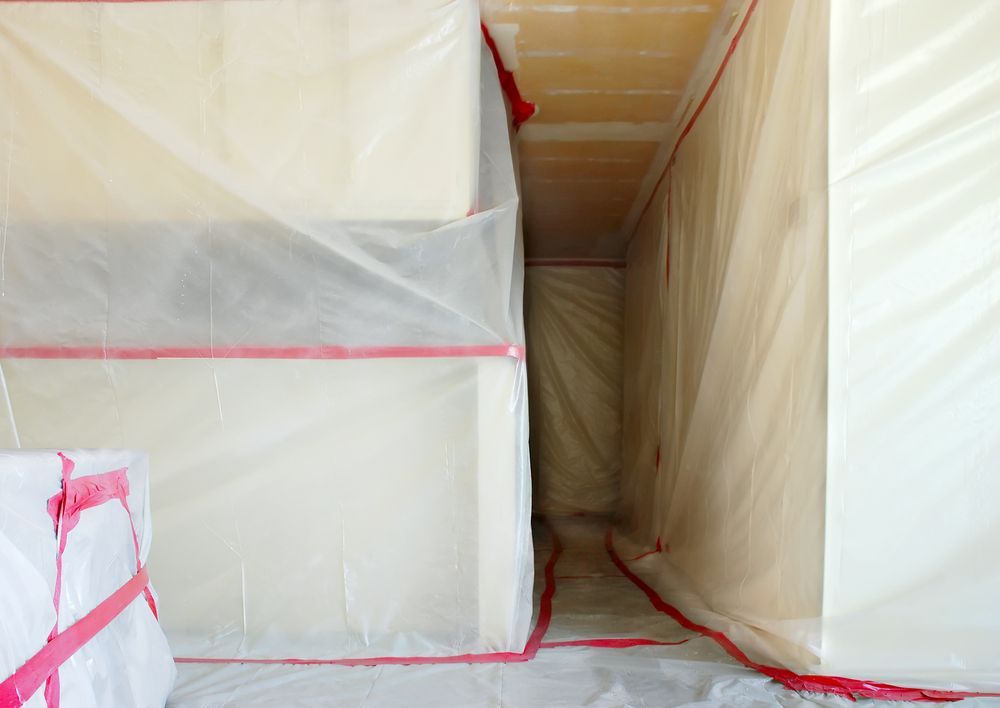
Abatement begins with safe identification of materials that contain asbestos, followed by containment procedures that prevent fibers from spreading during removal. The team seals off the work area, uses wetting agents to minimize dust, and carefully removes contaminated materials without breaking them apart. Removal and disposal follow strict safety and environmental regulations, and all waste is transported to approved facilities. This work is often required before renovation or reconstruction can begin, particularly when walls, ceilings, or flooring need to be opened up or removed.
If you are planning a remodel or dealing with damaged materials in an older home, reach out to discuss safe abatement procedures in Prosper.
Why Abatement Must Happen Before Construction
Asbestos is only dangerous when disturbed, but once renovation work begins, cutting, drilling, or tearing out old materials releases microscopic fibers that remain airborne for hours and settle throughout the property. Professional abatement creates controlled conditions where contaminated materials are wetted, carefully removed, and sealed in labeled containers before they leave the building. Containment barriers, negative air pressure, and HEPA filtration keep fibers from spreading into other rooms.
After abatement is complete, the work area will be cleared of hazardous materials, air quality will be restored, and your property will be safe for contractors to begin renovation or reconstruction work. T4 Restoration Services provides detailed documentation that confirms proper identification, containment, removal, and disposal, which is often required by local building departments and insurance providers before permits are issued or claims are processed.
Abatement allows restoration or rebuilding work to proceed safely, so you can move forward with planned improvements without exposing your family, workers, or neighbors to airborne contaminants. Keeping abatement and reconstruction services in-house means the same team that removes hazardous materials can also complete the repairs or remodeling work that follows, which simplifies scheduling and accountability.
What Homeowners Ask About Asbestos Removal
Asbestos abatement involves strict procedures and regulatory requirements, so it helps to understand what the process looks like and what happens after removal is finished.
What types of materials in older homes typically contain asbestos?
Floor tiles, ceiling texture, pipe insulation, roofing shingles, siding, and certain types of drywall joint compound are common sources in homes built before regulatory restrictions took effect.
How is containment maintained during asbestos removal in Prosper?
The work area is sealed with plastic barriers, and negative air machines pull air out of the containment zone through HEPA filters to prevent fibers from escaping into other parts of the home.
Why is wetting used during asbestos abatement?
Wetting agents reduce the amount of dust created when materials are cut or removed, which keeps fibers from becoming airborne and makes the removal process much safer.
What documentation is provided after abatement work is finished?
You receive records that confirm what materials were removed, how they were handled, where they were disposed of, and that air quality testing verified the space is safe for occupancy or further work.
When is asbestos abatement required before starting a remodel?
Any time you plan to disturb materials that contain or may contain asbestos, abatement must happen first to comply with safety regulations and protect everyone involved in the project.
For safe removal of asbestos-containing materials before your next renovation or repair project, contact T4 Restoration Services to schedule an assessment in Prosper.