Major Flooding Requires Complete Structural Assessment
Flood Damage Restoration in Prosper for storm-related flooding, plumbing failures, and severe weather events
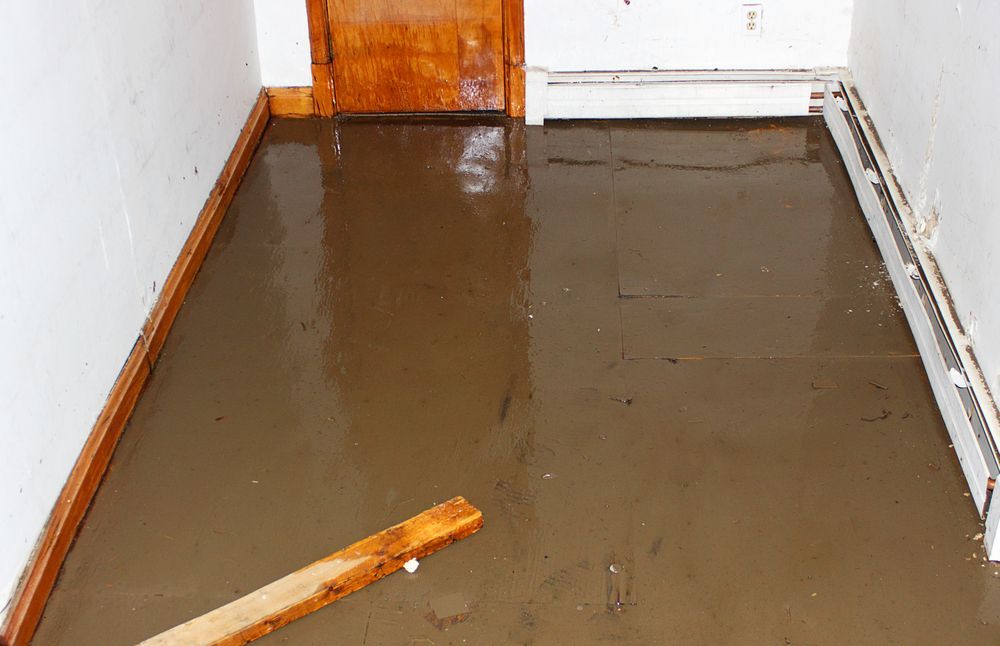
T4 Restoration Services performs flood damage restoration in Prosper following major water intrusion caused by severe storms, large-scale plumbing failures, or weather-related flooding that affects multiple rooms or entire floors. You may find water covering carpets and tile, saturating baseboards and lower wall sections, or pooling in basements and crawl spaces. The team responds with high-capacity extraction equipment that removes standing water quickly, reducing the time your home remains submerged and limiting damage to structural framing and finishes.
After extraction, technicians use moisture mapping to identify saturation levels throughout affected areas, measuring readings in walls, ceilings, and subfloors to guide the placement of drying equipment. Industrial dehumidifiers and air movers then work continuously to pull moisture from building materials, bringing them back to safe levels that prevent long-term deterioration. The company documents findings at each stage and coordinates with insurance adjusters to ensure that claims reflect the true scope of damage, including hidden moisture that may not be immediately visible.
If your property has experienced flooding that affected multiple rooms or saturated structural components, contact T4 Restoration Services for an emergency assessment in Prosper.
Structural Drying Prevents Hidden Deterioration
You cannot rely on air-drying alone when water has penetrated deeply into framing, insulation, and subfloor assemblies. The restoration process includes daily moisture checks that track drying progress and identify areas where airflow or dehumidification must be adjusted. Technicians remove materials that cannot be dried effectively, such as insulation that remains saturated or drywall with wicking damage extending above salvageable limits. This selective removal accelerates drying and prevents future problems related to trapped moisture.
Once drying is verified through flat moisture readings across all affected materials, you will see a property that is structurally sound and ready for rebuilding. T4 Restoration Services transitions directly to reconstruction using their in-house contracting team, replacing damaged drywall, flooring, and trim without requiring you to manage multiple vendors. This integrated approach shortens recovery timelines and maintains clear accountability from emergency response through final inspection.
The company does not provide landscaping services, exterior drainage improvements, or roof repairs. Their work focuses on interior flood mitigation and reconstruction. If contaminated water from outdoor flooding or sewer backups is involved, specialized cleaning and disposal procedures apply, and materials that contacted Category 3 water must be removed according to industry standards.
Understanding Flood Restoration in Prosper
Homeowners often ask how quickly extraction must begin, what happens to materials that cannot be saved, and how long full restoration takes after flooding occurs.
What type of extraction equipment is used for large-scale flooding?
Truck-mounted extractors and portable water vacuums remove standing water rapidly, often clearing hundreds of gallons per hour to minimize damage to structural components and interior finishes.
How do technicians determine which materials must be removed?
Moisture readings, visual inspection, and industry guidelines for porous materials dictate removal decisions. Materials that remain saturated after initial drying attempts or that contacted contaminated water are typically discarded.
When should you expect drying equipment to be removed from your home?
Drying equipment remains in place until moisture readings match those of unaffected areas, which usually takes three to seven days depending on the extent of flooding and the types of materials involved.
Why is moisture mapping critical after major flooding?
Moisture mapping identifies hidden saturation that visual inspection cannot detect, ensuring that drying efforts reach all affected areas and preventing conditions that lead to mold growth or structural decay in Prosper homes.
What coordination with insurance adjusters is required during flood restoration?
The restoration team documents all damage, provides moisture readings and photographs, and meets with adjusters on-site to review findings and align the scope of work with policy coverage terms.
T4 Restoration Services responds to flood emergencies throughout Prosper and manages the full restoration process from water removal through final reconstruction. Call to report flooding and begin mitigation before structural damage worsens.